
Although massage guns have become a popular tool for muscle relaxation and are widely used to relieve soreness and tension, some negative reviews and real-life cases serve as a reminder that their use is not without risks. For example, one user shared her experience on social media, explaining how frequent use of a massage gun on her neck not only failed to alleviate her pain but actually made it worse, and she even noticed a lump forming on her neck. After consulting a doctor, she was warned, “Never use a massage gun on your neck again.” Similarly, a case report from China revealed a similar risk: a patient developed a blood clot in her carotid artery after using a massage gun, leading to mild stroke-like symptoms. Additionally, a 40-year-old man in the United States experienced dizziness and discomfort after using a massage gun, and further examination revealed he had a vertebral artery dissection, a condition caused by a tear in the wall of the neck artery, leading to a disruption in blood flow.
These cases have made many users question the safety of using a massage gun in sensitive areas, especially when applied to the neck, where blood vessels are more fragile. While these incidents are rare, they serve as a reminder that, while we enjoy the comfort a massage gun can provide, we must also be cautious of the potential health risks. So, can massage guns really cause blood clots? In today’s article, we will dive deeper into this issue and explore the facts.

Potential Risks of Massage Gun Use
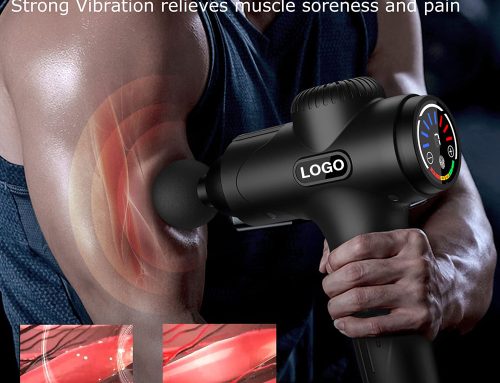
A massage gun, also known as a deep tissue fascia percussion device, is a soft tissue rehabilitation tool. It uses a specially designed high-speed motor to drive the “head” of the gun, delivering high-frequency impacts to relax the body’s soft tissues. The goal is to reduce local tissue tension, relieve pain, and promote blood circulation. While they are designed for muscle relaxation, improper use can affect blood vessels, especially those in the neck. The neck contains major arteries, such as the carotid and vertebral arteries, which are crucial for supplying blood to the brain. If the massage gun is used incorrectly or applied with too much force on the neck, it can damage these arteries and lead to blood clot formation.
The front and sides of the neck, where the carotid and jugular veins are located, are particularly vulnerable. These areas lack the protective muscle and bone coverage found in other parts of the body, making them more susceptible to the effects of vibrations from a massage gun. Improper use, especially when directed at these sensitive areas, could cause blood flow to be disrupted, potentially leading to clot formation.

Blood Clot Formation and Its Link to Stroke
When blood flow is obstructed due to blood clot formation, a clot can travel through the bloodstream to the brain, potentially causing a stroke. A common condition related to blood clot formation is cervical artery dissection, where a tear occurs in the artery wall, leading to blood flow restriction and clot development. If the clot detaches and moves to the brain, it can block blood supply and trigger a stroke. Research has shown that the vibrations from a massage gun may, in some cases, contribute to cervical artery dissection, especially when used in the vulnerable neck region.
Another potential risk is vertebral artery dissection, which is a tear in the vertebral artery that may cause stroke-like symptoms, such as headache, neck pain, and dizziness. A 2022 case study linked this type of injury to the use of a handheld massage gun. While the risk of such an injury from a massage gun alone is rare, it is not impossible if the person already has spinal issues or is using the device incorrectly.
In conclusion, while massage guns are generally safe when used correctly, excessive vibration or improper use—especially in the neck area—can lead to serious health risks such as blood clots and strokes. That’s why when you buy a massage gun, retailers often remind you to be cautious or to avoid using it on areas like the neck, cervical spine, and the spine in general, which have a high concentration of nerves and blood vessels. If you do choose to use it, make sure each session doesn’t exceed 3 minutes. Alternatively, you can opt for other types of massagers, such as the Centurylux neck massager, which is specifically designed for the neck area.

Which Areas Are More Vulnerable to Risk
- The neck, especially the front and side areas, is the most sensitive part of the body when it comes to using a massage gun. The carotid arteries and vertebral arteries, which supply blood to the brain, are located in these regions. If a massage gun is applied forcefully or improperly, it could cause damage to these blood vessels, leading to blood clots or other serious complications.
- Front and Side of the Neck: These areas house the carotid arteries, jugular veins, and other critical blood vessels. The blood vessels here are less protected, making them more vulnerable to damage from excessive vibration or pressure.
- Base of the Skull: This area is another sensitive spot. If a massage gun is used improperly, it could disrupt blood flow and potentially lead to clot formation.
- Back and Shoulders: While the muscles in the back and shoulders are more protected, improper or excessive use of a massage gun in this area can still cause tissue damage or lead to other complications if not used correctly.
To minimize the risk of injury, it’s important to avoid using the massage gun on sensitive areas like the neck and skull base. If you must use it in these regions, be sure to do so cautiously and with low vibration settings.
Safety Tips for Using a Massage Gun
To safely use a massage gun and minimize the risks associated with improper use, experts recommend the following guidelines:
- Avoid Using on Sensitive Areas: The front and sides of the neck, the skull base, and the chest are particularly vulnerable. Focus the massage gun on more robust muscle areas, such as the back and legs.
- Use Low Vibration Settings: If you need to use the massage gun on the neck, keep the vibration on the lowest setting to reduce the risk of injury. High-frequency vibrations may damage blood vessels or lead to soft tissue trauma.
- Limit Usage Time: Avoid prolonged use. Experts recommend using the massage gun for no more than 5-10 minutes at a time, especially on sensitive areas, to prevent muscle fatigue or injury.
- Avoid Using on Areas With Known Health Risks: If you have existing conditions like high blood pressure, heart disease, or carotid artery blockages, avoid using the massage gun in these regions. People with vascular issues are at a higher risk of injury from improper use of massage guns.
- Consult a Healthcare Professional: If you have any neck pain, discomfort, or existing health issues, it’s advisable to consult a doctor or physical therapist before using a massage gun. They can offer professional advice on proper usage and help you determine whether it’s safe for you.

Who should use massage guns with caution?
While massage guns can be beneficial for many people to relieve muscle tension and pain, they are not suitable for everyone. Here are some groups of people who should avoid using massage guns:
- Pregnant Women
Pregnant women often experience back and waist pain, and some may use a massage gun to relax sore areas. However, during pregnancy, especially in the first three months and later stages, it is advisable to avoid or use a massage gun with caution. For more details, you can read this article (Can Pregnant Women Use a Massage Gun?). - People with Circulatory Issues
For those with circulation problems, such as varicose veins or deep vein thrombosis, the strong vibrations from a massage gun may worsen symptoms and potentially damage blood vessels. - People with Heart Disease or Vascular Conditions
Individuals with heart conditions or vascular diseases, such as atherosclerosis or coronary artery disease, should avoid using massage guns, as intense vibrations could cause heart discomfort, blood pressure fluctuations, or even increase the risk of a stroke. - People with Fractures, Osteoporosis, or Joint Conditions
Those with fractures, osteoporosis, arthritis, or joint issues should avoid using a massage gun, as the strong vibrations may put additional stress on fragile bones and joints, increasing the risk of injury. - People with Muscle or Soft Tissue Injuries
If someone has an acute muscle or soft tissue injury, using a massage gun could exacerbate the injury and delay recovery. It’s best to avoid using it until the injury heals. - People with Neck or Spinal Issues
People with neck problems, such as cervical spondylosis, herniated discs, or spinal issues, should be cautious when using a massage gun. The vibrations, especially in the neck area, could cause discomfort or worsen the condition, potentially affecting blood flow or leading to serious health issues like blood clots. - People with Open Wounds or Infections
If someone has cuts, abrasions, or skin infections, they should avoid using a massage gun in those areas. Vibrations could cause the wound to become inflamed or worsen the infection. - People with Extremely Sensitive Skin
For individuals with highly sensitive skin or prone to irritation, the vibrations from a massage gun could lead to excessive discomfort, redness, or other adverse reactions.

Final Thoughts
There’s no doubt that massage guns are a great tool for relieving both physical and mental tension. When using a fascia gun, it’s important to follow the direction of the muscle fibers and fascia, rather than just focusing on the sore spots. Areas like the neck, cervical spine, and the spine—where there are dense networks of nerves and blood vessels—should not be treated with a massage gun. Each area should be massaged for no longer than 3 to 5 minutes. When used correctly, a fascia gun should not cause muscle swelling. So if you experience swelling, it’s likely due to improper use, which may have caused muscle damage.
Before mastering the proper use of the massage gun, please contact us by email for more massage gun expertise. (sales@centurylux.com)


Leave A Comment