

For running enthusiasts, it’s common to experience muscle soreness or swelling in the legs after an intense run, especially for athletes. Traditionally, the remedy for this has been to perform stretching exercises after each run, which can help alleviate some of the symptoms. However, with more people recognizing the benefits of massage guns, many have started to use them to relieve post-run leg pain and fatigue.
It’s no surprise that massage guns have become an increasingly essential tool in modern recovery routines. Not only can they relieve muscle tension, but they also promote blood circulation, helping muscles recover more effectively. As a manufacturer of professional massage guns, in this article, I will explore how massage guns have become the go-to device for post-run recovery, easing pain, enhancing flexibility, and making it easier for you to bounce back for your next run.

Why Post-Run Recovery is Important
After a run, muscles often experience Delayed Onset Muscle Soreness (DOMS), which typically sets in 24 to 48 hours post-exercise as a result of lactic acid buildup and inflammation. This soreness can not only be uncomfortable but can also limit your range of motion, affecting your daily activities or even future training sessions. That’s why post-run recovery is crucial.
Post-exercise recovery isn’t just about alleviating soreness; it also promotes blood flow, helping to deliver oxygen and nutrients to muscles while flushing out waste products like lactic acid. Proper recovery reduces the risk of injury, restores muscle flexibility and strength, and even enhances future performance. Common recovery methods include stretching, foam rolling, and massage, with massage guns becoming an increasingly popular tool for runners due to their convenience and effectiveness.

How to Use a Massage Gun for Post-Run Recovery
Using a massage gun for post-run recovery is a powerful way to stimulate circulation, relax tight muscles, and reduce soreness and stiffness. When used correctly, it accelerates the recovery process, allowing you to get back to training sooner and perform better.
Step 1: Start with the Feet
Begin by massaging your feet, which are crucial for running. Use the massage gun to gently sweep along the soles of the feet, focusing on the ball, arch, and heel. Spend about 1 minute on each foot. The vibration helps relieve tightness and tension accumulated in the feet from the impact of running.
Step 2: Massage the Calves
The calves are another area that often feels tight after running. Use the massage gun along the outer side and back of the calves, sweeping up and down for 1-2 minutes. This will help release tension in the muscles and fascia, improving blood flow and aiding in muscle repair.
Step 3: Target the Quads and Glutes
The quads and glutes are large muscle groups that take the brunt of running, especially during uphill runs or sprints. Spend 2 minutes massaging the front and back of your thighs, as well as your glutes. This will help release deep muscle tension and prevent stiffness. Focus on areas that feel particularly tight, using the gun’s percussion to target the muscle fibers more deeply.
Step 4: Lower Back and Upper Back (Optional)
While running primarily uses the lower body, many runners also experience stiffness in the back. If you feel tightness in your lower back or upper back after running, use the massage gun to gently loosen those areas. Use a softer attachment, such as the ball or standard head, to avoid overstimulating the spine while still providing relief.
Recommended Time and Techniques:
For each area, spend 1-2 minutes massaging. Avoid lingering too long in any one spot. Apply moderate pressure, ensuring a gentle yet effective touch to prevent over-stimulating fatigued muscles. You can also choose different attachments for targeted muscle groups. For instance, the standard round head is great for large muscle groups, while the cone attachment can be used for deep muscle knots and trigger points.

The Benefits of Using a Massage Gun Before Running and How to Use It
Many runners focus solely on post-run recovery, but using a massage gun before a run can offer significant benefits too. Pre-run massage gun usage is all about preparing your muscles for the effort ahead. It helps activate your muscles, increase blood circulation, and reduce the risk of injury, especially for those engaging in high-intensity or long-distance runs.
Why Use a Massage Gun Before Running?
- Activate Muscles: A quick massage with the gun helps activate key muscle groups, particularly those in the lower body. This ensures that the muscles are “awake” and ready to perform efficiently.
- Improve Blood Flow: Using the massage gun before a run boosts circulation to the muscles, delivering oxygen and nutrients while reducing muscle stiffness.
- Increase Range of Motion: The gentle percussion helps loosen up tight muscles and joints, which enhances flexibility and improves stride length.
- Prevent Injury: By activating muscles and improving flexibility, a massage gun reduces the risk of strains or sprains, especially in runners prone to muscle tightness.
How to Use It Before Running?
- Start with the Feet: Use the massage gun on your feet for 30 seconds each, focusing on the ball, arch, and heel. This helps improve circulation and flexibility.
- Move Up to the Shins: Spend 30 seconds on each shin, targeting the muscles along the front and sides of the shin bones to promote circulation and ease tightness.
- Target the Calves: Use the gun for 1 minute on each calf to release muscle tension, reduce tightness, and enhance mobility for better strides.
- Massage the Thighs and Glutes: Use the massage gun on your quads and glutes, spending 30 seconds on each area. This activates the muscles that will play a vital role in your run.
- Optional: Low Back and Hips: If you typically experience tightness in your lower back or hips, use the massage gun lightly in these areas to improve mobility before you start your run.

Massage Gun Usage Tips and Attachment Selection
Knowing how to use a massage gun correctly and choosing the right attachments can significantly enhance its effectiveness, whether you’re using it before or after a run.
Massage Gun Usage Tips:
- Time & Pressure: For general muscle activation, spend 1 minute on each major muscle group. Keep the pressure moderate and avoid pressing too hard. The goal is to increase blood flow, not cause additional muscle stress.
- Light vs. Deep Pressure: Pre-run use should involve lighter, quicker strokes to activate the muscles. Post-run, you can apply more sustained pressure to release tension and target sore spots.
- Slow and Steady: Move the massage gun slowly and steadily over muscle groups. Avoid lingering too long in one spot, as this may lead to overstimulation.
Attachment Selection:
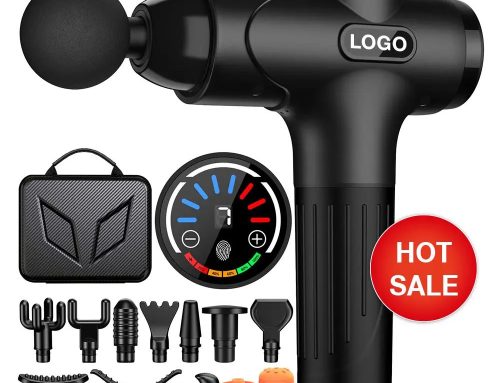
- Standard Ball Attachment: Ideal for larger muscle groups like quads, calves, and hamstrings. It’s great for both pre-run activation and post-run recovery.
- Cone Attachment: Best for targeting specific, tight muscle areas or trigger points, such as the bottoms of the feet or the deep tissue of the calves. Use this attachment when you need to dig deeper into a muscle knot.
- Flat Head Attachment: A good choice for general muscle relaxation, especially after a run when you want a more soothing touch.
- Supersoft Attachment: Perfect for sensitive areas like the shins or lower back. This attachment delivers a softer, gentler massage, ideal for use before or after a run to avoid overstimulating tender muscles.

Additional Benefits of Using a Massage Gun
Aside from the obvious benefits of post-run recovery and pre-run preparation, massage guns offer a variety of other advantages that can improve your overall health and performance.
Increase Flexibility and Mobility: Regular use of a massage gun can help improve muscle flexibility over time. This is especially beneficial for runners, as enhanced mobility in the hips, hamstrings, and calves can help prevent injuries and improve overall performance.
Relieve Muscle Knots and Tension: Massage guns are excellent for breaking up muscle knots and releasing myofascial trigger points. These knots often form after long runs or intense training sessions and can lead to discomfort and restricted movement if not treated.
Promote Circulation and Lymphatic Drainage: The percussive therapy used by massage guns increases blood flow and promotes lymphatic drainage, which helps remove waste products like lactic acid from muscles. This makes the recovery process faster and more efficient, allowing you to feel less sore and fatigued after a run.
Convenience and Portability: One of the biggest advantages of using a massage gun is its portability. With a compact, handheld design, you can use it anywhere—at home, in the gym, or even at the track—making it easy to incorporate into your routine whenever you need it.
Incorporating a massage gun into your recovery routine—whether before or after your run—can significantly boost your performance, speed up recovery, and reduce the risk of injuries. By using it consistently and combining it with stretching and proper hydration, you can ensure your muscles stay in top condition, allowing you to run stronger, faster, and longer.
Finding the Right Massage Gun for Post-Run Muscle Recovery

The Centurylux HT11 massage gun is an excellent choice for muscle recovery after running. It combines both percussion therapy and hot/cold therapy functionalities. With built-in heating and cooling features, it enhances muscle recovery. The device offers three adjustable temperature settings, allowing you to quickly switch between hot and cold to relieve muscle tension and accelerate recovery. It provides five speed levels for deep tissue massage, reaching up to 10mm into the muscle tissue, and includes five different massage heads for targeted relief. Compact and portable, it offers up to four hours of use on a single charge, making it perfect for both pre-run warm-ups and post-run recovery.



Leave A Comment