
Plantar fasciitis is a common foot condition that typically causes intense pain in the heel or sole of the foot, especially in the morning or after long periods of standing. It is often caused by prolonged pressure, repetitive stretching, or improper footwear. While there are various treatment options available, the massage gun, as an innovative tool, has gained significant attention for its ability to alleviate symptoms of plantar fasciitis. Using deep vibrations, the massage gun helps to promote blood circulation, relieve muscle tension, and reduce inflammation, making it a popular adjunct therapy for those recovering from plantar fasciitis.
In this article, we will explore how to effectively use a massage gun to relieve plantar fasciitis symptoms, provide practical tips, and highlight common misconceptions to help you make the most of your treatment.
What is Plantar Fasciitis?

Plantar fasciitis is an inflammation of the plantar fascia, the tissue that connects the heel bone to the toes, causing pain in the bottom of the foot. This condition is most common among people who stand, walk, or engage in high-impact activities for extended periods, particularly in middle-aged individuals, athletes, and those who are overweight. The hallmark symptom of plantar fasciitis is heel pain, especially with the “first-step pain” upon getting out of bed in the morning. Other symptoms may include tenderness, swelling, or pain in other parts of the sole of the foot.
The causes of plantar fasciitis are varied, including:
- Overuse or overstretching: Activities like running, jumping, or prolonged standing.
- Inappropriate footwear: Shoes lacking adequate support or cushioning increase strain on the plantar fascia.
- Excess body weight: Extra weight places additional stress on the plantar fascia.
- Muscle tension: Tight calf muscles can increase strain on the plantar fascia, leading to inflammation and pain.
How a Massage Gun Helps Alleviate Plantar Fasciitis
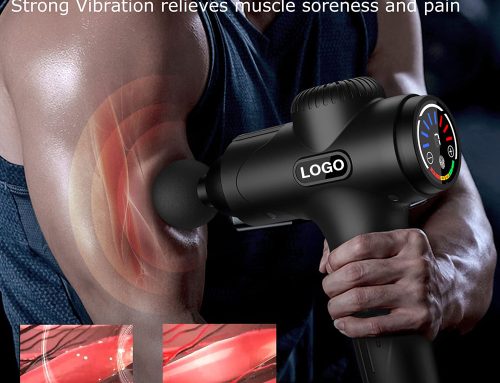
The massage gun uses high-frequency pulses or vibrations that penetrate the muscles and fascia to relieve pain caused by muscle tightness, stiffness, and poor blood circulation. For plantar fasciitis, the deep massage effect can help alleviate symptoms through the following mechanisms:
- Improved blood circulation: The deep vibrations from the massage gun stimulate blood flow to the affected area, promoting the delivery of oxygen and nutrients to the tissue, reducing inflammation, and supporting tissue repair.
- Relaxation of muscles and fascia: The massage gun’s pulsations can help loosen tight muscles and fascia, alleviating pressure on the plantar fascia and reducing pain.
- Reduction of inflammation: By increasing local blood flow, the massage gun helps to reduce swelling caused by inflammation and eases pain.
While the massage gun can effectively relieve symptoms, it should be used as part of a comprehensive treatment plan, alongside stretching, physical therapy, and other methods, to achieve optimal results.
Detailed Massage Gun Usage Tips and Common Mistakes

Proper use of a massage gun is essential for effectively alleviating plantar fasciitis symptoms. Here are some practical usage tips and common mistakes to avoid, ensuring you get the best results from your massage gun therapy.
Usage Tips:
- Choose the right attachment head: Massage guns typically come with several interchangeable heads. For plantar fasciitis, it is recommended to use a round or flat head, as they provide even pressure and are suitable for larger areas like the sole of the foot.
- Adjust the speed and intensity appropriately: Start with the lowest speed setting and gradually increase it based on your comfort level. Avoid using high intensity right from the start, as it may cause discomfort or pain.
- Follow the correct massage sequence: Begin by applying the massage gun to the heel, then slowly move along the sole of the foot, covering the entire area. Focus on key regions like the heel, arch, and central part of the sole. If any area feels particularly sensitive, you can reduce pressure or shorten the massage duration.
- Massage duration and frequency: Each session should last 5-10 minutes, and you can use the massage gun 1-2 times a day. Avoid overusing it, as excessive use can lead to further damage. Listen to your body and adjust the frequency according to your response.
- Avoid massaging the toes and bones directly: The toes and heel bones are more vulnerable, so avoid applying excessive pressure to these areas, as it could cause discomfort or injury.
Common Mistakes:
- Overusing the massage gun: Many people mistakenly believe that more frequent use leads to faster recovery, but overuse can cause additional damage instead of speeding up the healing process. Each session should be no longer than 10 minutes, and it is important to allow the foot to rest between sessions.
- Using excessive pressure: Applying too much pressure during a massage can harm the plantar fascia and other soft tissues, potentially worsening the symptoms. Always adjust the pressure based on your comfort level and avoid overdoing it.
- Neglecting surrounding muscles: While the focus is on massaging the plantar fascia, the muscles surrounding the foot and calf should also be addressed. Tightness in these areas can indirectly exacerbate plantar fasciitis symptoms, so don’t neglect to massage these regions as well.
How to Combine the Massage Gun with Other Treatment Methods for a Comprehensive Plan
While the massage gun is an excellent tool for alleviating the pain of plantar fasciitis, it should not be relied upon as the sole treatment. Combining it with other therapeutic methods can provide a holistic approach to healing and recovery. Below are some complementary treatments to consider:
- Stretching and Strengthening Exercises: Regular stretching exercises for the calves, Achilles tendon, and plantar fascia itself are crucial for relieving the tension that causes plantar fasciitis. Calf stretches, ankle rotations, and toe stretches can help improve flexibility and reduce the strain on the plantar fascia. Additionally, strengthening exercises for the foot and lower leg muscles can help prevent future injuries by improving the overall function of the foot.
- Orthotic Inserts or Supportive Footwear: Proper footwear plays an important role in managing plantar fasciitis. Shoes with adequate arch support, cushioning, and a slight heel raise can reduce pressure on the plantar fascia. For added support, custom or over-the-counter orthotic inserts can help correct foot alignment, providing extra cushioning and reducing stress on the foot during daily activities.
- Ice Therapy: After using the massage gun, applying ice to the affected area can help reduce inflammation and provide additional relief. Using an ice pack or a frozen water bottle to gently roll under the foot for 10-15 minutes can help alleviate pain and reduce swelling.
- Physical Therapy: Consulting with a physical therapist can help you develop a tailored exercise and stretching plan to treat plantar fasciitis. They can also guide you in using the massage gun correctly and provide manual therapy techniques for deeper tissue work, which can complement the percussion therapy provided by the massage gun.
- Corticosteroid Injections or Platelet-Rich Plasma (PRP) Therapy: For individuals with severe plantar fasciitis who do not respond to conservative treatments, corticosteroid injections may be prescribed to reduce inflammation. Alternatively, PRP therapy, which uses the patient’s own blood platelets to promote healing, is becoming more popular as a non-invasive treatment.
- Rest and Activity Modification: Rest is essential to allow the plantar fascia to heal. Avoiding high-impact activities such as running or jumping can prevent further irritation. Low-impact exercises like swimming, cycling, or walking on soft surfaces are safer alternatives while healing.
- Use a professional foot massager:This foot massager mimics the techniques and movements of a professional massage therapist, applying effective pressure to the soles of the feet to significantly relieve soreness and muscle tension after a long day of work. With 3 adjustable intensity levels, it promotes blood circulation in the soles and feet, helping to effectively alleviate plantar fasciitis.

Considerations for Different Populations
Plantar fasciitis can affect people of all ages and activity levels, but treatment and the use of a massage gun must be tailored to the individual’s needs. Here are some considerations for specific populations:
- Athletes and Active Individuals: For athletes and active individuals, recovery from plantar fasciitis is often a top priority. While a massage gun can be a great tool for managing muscle tightness and improving circulation, athletes may also benefit from adding more focused rehabilitation exercises. A physical therapist can help design a rehabilitation plan that includes strengthening and flexibility exercises to prevent recurrence. It’s important to modify training schedules and incorporate rest days to avoid overloading the foot.
- Older Adults: Older adults are more likely to suffer from chronic plantar fasciitis due to natural changes in foot structure, muscle weakness, and decreased circulation. For older individuals, using a massage gun can help alleviate stiffness and improve mobility, but care should be taken with the intensity. It’s advisable to start with low-speed settings and consult with a healthcare provider before beginning treatment. In addition, supportive shoes and orthotics are crucial for preventing further damage.
- People with Obesity: Excess weight is a major contributing factor to plantar fasciitis, as it places additional strain on the plantar fascia. For individuals with obesity, using a massage gun can help relieve pain and improve mobility, but weight loss through a healthy diet and low-impact exercise should be considered as part of a comprehensive plan. Weight management can significantly reduce the stress on the feet and improve recovery outcomes.
- Pregnant Women: Pregnant women often experience foot pain due to changes in body weight, posture, and hormone levels that affect joint flexibility. If a pregnant woman experiences plantar fasciitis, they should consult with their healthcare provider before using a massage gun. A gentle approach with lower intensity settings is recommended to avoid unnecessary strain.
How to Safely Use a Massage Gun with Plantar Fasciitis
While the massage gun can be a valuable tool, it is essential to use it safely to avoid injury. Here are a few guidelines to ensure a safe experience:
- Avoid Overuse: As mentioned earlier, overusing the massage gun can lead to further irritation or damage. Limit each session to 5-10 minutes and avoid excessive pressure. If you experience pain or discomfort during or after use, reduce the intensity or frequency.
- Don’t Massage Directly Over Bony Areas: Focus on the soft tissues of the plantar fascia, avoiding direct pressure on the heel bone, toes, or any bony areas. Massaging these regions can lead to unnecessary irritation.
- Monitor for Any Signs of Injury: While using the massage gun, pay attention to your body’s response. If you experience increased pain, redness, or swelling, stop using the device and consult with a healthcare professional.
- Consult a Healthcare Provider: If you have other medical conditions, such as diabetes, heart disease, or arthritis, it is best to consult with a doctor before using a massage gun, as percussive therapy may not be suitable for everyone.
Final Thoughts
Plantar fasciitis is a painful and persistent condition, but with the right approach, relief is possible. Incorporating solutions like massage guns and foot massagers as part of a comprehensive treatment plan can help improve blood circulation, reduce muscle tension, and alleviate pain caused by inflammation. If you’d like to learn more about massage devices or have any questions, please feel free to contact us via email. (sales@centurylux.com)


Leave A Comment