
It generally depends on the severity of the muscle strain. Massage guns are effective in relieving muscle tension and promoting blood flow can be effective in helping to recover from muscle strains. However, if the strain is more severe, a massage gun alone is not sufficient to treat the injury. In fact, improper use or using it during the wrong stage of healing could worsen the injury. In this article, we will explore when it is safe to use a massage gun on a strained muscle, the risks involved, and alternative recovery methods to ensure proper healing.
What is a Muscle Strain?

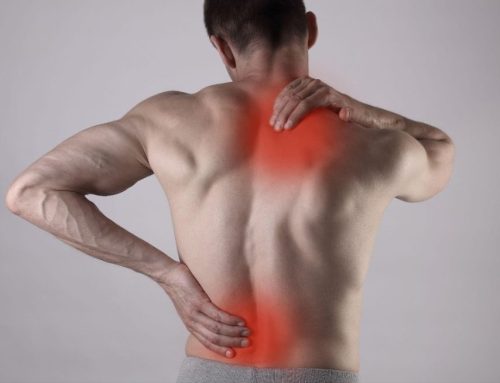
A muscle strain, commonly known as a “pulled” or “torn” muscle, is a soft tissue injury that occurs when the muscle fibers are stretched or torn beyond their normal capacity. This injury often results from overexertion, sudden movements, or improper form during physical activities. While muscle strains can occur in any muscle, they are most common in the lower back, neck, shoulders, hamstrings, and calves.
The symptoms of a muscle strain typically include:
- Localized pain, especially during movement or exertion
- Muscle stiffness and weakness
- Swelling or bruising around the affected area
- Restricted movement, especially in the injured area
Most mild and moderate muscle strains can heal with rest and at-home treatments. However, severe strains may require medical attention. Therefore, it is crucial to choose the right treatment method to speed up recovery and avoid further damage.
How Does a Massage Gun Work?

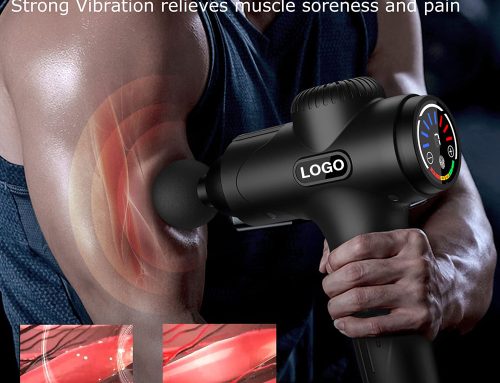
A massage gun, also known as a percussion massager, is a popular tool used in muscle recovery and relaxation. It works by delivering rapid vibrations and percussions to the deep muscle tissues, helping to stimulate blood flow, relax tight muscles, and relieve pain. The massage gun’s mechanism is based on percussive therapy, which uses high-speed repetitive impact to promote vasodilation (expansion of blood vessels), improving circulation and speeding up muscle recovery.
By using this technique, a massage gun can relieve muscle soreness, reduce muscle tightness, and increase circulation. It can also promote relaxation and aid in quicker recovery after workouts. Different massage gun models typically come with various attachments, each designed for specific muscle groups or depths of tissue.
However, while massage guns can be very effective, their use on strained muscles isn’t always ideal. Overuse or improper use may worsen the injury or exacerbate inflammation. Understanding the correct way to use a massage gun and when it is appropriate to use it is key to ensuring it helps rather than harms.
Massage Techniques for Different Muscle Groups

One of the main advantages of a massage gun is its versatility. With different massage heads and speed settings, it can be used to target various muscle groups effectively. Knowing the characteristics of each area and how to use the massage gun correctly can help maximize its effectiveness in relieving muscle tension and speeding up recovery.
1) Neck and Shoulder Muscles
- Massage Technique: The neck and shoulder muscles are particularly sensitive, especially the trapezius and sternocleidomastoid muscles. These areas often become tight due to prolonged posture or intense physical activity.
- Usage Tips: When using the massage gun on the neck and shoulders, choose a softer massage head (such as a round or ball head) and start at a low speed. Move slowly across both sides of the neck and shoulders, avoiding direct pressure on the spine or bones to prevent injury to nerves and blood vessels.
- Caution: Avoid applying pressure directly to the front and back of the neck’s bony areas to prevent discomfort or injury.
2) Back Muscles
- Massage Technique: Back muscles often become tight from prolonged sitting, poor posture, or high-intensity physical activities. The upper and lower back are especially prone to strain.
- Usage Tips: For the back, use a firmer massage head, such as a flat or fork head, to reach deeper muscle layers. Start with low speed and gradually increase intensity. Move along both sides of the spine, avoiding direct contact with the vertebrae.
- Caution: Ensure that the massage gun is not focused on a single spot for too long. Keep it moving along the muscle fibers to avoid muscle fatigue.
3) Leg Muscles
- Massage Technique: Leg muscles, especially the hamstrings, quadriceps, and calves, are prone to strain after intense activity or prolonged use.
- Usage Tips: Choose an appropriate massage head (like a curved or ball head) and apply slow, deep vibrations along the leg muscles. Start with a low speed and gradually increase the intensity. Focus on areas that feel tight or sore, such as the calves or hamstrings.
- Caution: Avoid applying too much pressure near sensitive areas, such as the knee or inner thigh. If there is swelling or significant pain, refrain from using the massage gun on that area.
4) Arm and Hand Muscles
- Massage Technique: While smaller, arm and hand muscles are also prone to tension from repetitive motions or physical strain.
- Usage Tips: Use a smaller massage head (like a round or bullet head) for more targeted pressure on the arm muscles. Gently glide the massage gun along the forearms, upper arms, and wrists, being careful not to apply too much force.
- Caution: These areas are closer to bones, so avoid excessive pressure on joints and tendons. If there is pain or discomfort, reduce intensity or stop use.
Contact us now to get professional muscle massage gun samples( sales@centurylux.com)
Suitability of Massage Guns for Strained Muscles

While massage guns can be effective in alleviating muscle tension and promoting recovery in healthy muscles, their use on strained muscles requires more caution. A muscle strain involves damage to the muscle fibers, which makes the muscle more vulnerable to additional stress or injury. So, is it safe to use a massage gun on strained muscles?
When It’s Safe to Use a Massage Gun on a Strain
- Mild Strains: For minor muscle strains, where the damage is minimal and there’s only slight discomfort, using a massage gun on the surrounding areas (but not directly on the strained muscle) may help promote blood circulation and reduce soreness. Start at the lowest speed setting and use the massage gun gently.
- Post-Recovery Phase: After the initial inflammation and swelling have subsided, and you’ve reached the rehabilitation phase (typically 48-72 hours post-injury), you may be able to use a massage gun on the strained muscle. However, it’s crucial to begin slowly and use a softer attachment to avoid overstressing the injured area. In some cases, a massage gun can help with the recovery of scar tissue and improve flexibility by increasing circulation to the affected area.
When to Avoid Using a Massage Gun
- Acute Strains: If you have an acute muscle strain with significant pain, swelling, or bruising, it is advisable to avoid using the massage gun on the affected area. Applying direct pressure to the strained muscle can increase inflammation and exacerbate the injury.
- Severe Strains: In cases of severe muscle strain where there’s a possibility of a tear or rupture, massage guns should be avoided entirely until the injury has been assessed and treated by a healthcare professional. Overuse of a massage gun can delay the healing process or lead to further complications.
Always consult a doctor or physiotherapist if you are unsure about using a massage gun on a strained muscle. They can provide personalized advice based on your condition.
Risks of Using a Massage Gun on Strained Muscles
While massage guns can offer many benefits, there are several risks involved when using them on strained muscles:
- Increased Inflammation: The percussive action of the massage gun may cause further irritation or swelling in the affected area, particularly if used during the acute phase of the strain.
- Exacerbating the Injury: If too much pressure is applied, or if the massage gun is used at too high a speed, it can worsen the injury, leading to a longer recovery period or additional muscle tears.
- Bruising and Tissue Damage: Overuse of the massage gun on strained muscles can cause bruising or further damage to the tissue. Additionally, using the device on a bone or joint area can lead to injury.
It’s essential to follow guidelines and use the device with care. If in doubt, consult a healthcare professional before starting or continuing massage gun therapy on a strained muscle.
Comparing Massage Guns with Other Recovery Tools and Methods

Massage guns are one of many recovery tools available, and while they can be effective, it’s important to understand how they compare with other methods, especially for muscle strains.
- Traditional Methods: Ice, Rest, Compression, and Elevation (R.I.C.E.)
The R.I.C.E. method is often recommended for acute muscle strains. This approach focuses on reducing swelling and providing rest for the injured muscle. While a massage gun may be useful post-recovery to alleviate tension, it is not advisable during the initial 48 hours when inflammation is at its peak. The R.I.C.E. method remains one of the most effective ways to reduce immediate symptoms of a muscle strain. - Physical Therapy and Stretching
Physical therapy is another critical recovery method, especially when dealing with severe muscle strains. A physical therapist can provide targeted treatments and stretches that promote healing without the risks associated with overusing a massage gun. Stretching exercises help maintain flexibility and prevent stiffness after muscle strain, and they are often prescribed alongside a massage gun therapy program in the later stages of recovery. - Compression Therapy
Compression garments, such as sleeves or wraps, can help control swelling and support the muscle during recovery. Compression therapy works similarly to a massage gun in increasing circulation but is generally safer for more acute injuries. It can be used alongside a massage gun but should be applied in the early stages to control swelling before starting percussive therapy. - Heat Therapy
Heat therapy is commonly used for muscle relaxation after the initial inflammation phase has passed. Heat can help relax tight muscles and increase blood flow, making it an excellent complement to massage gun therapy. However, heat should not be applied during the first 48 hours of a muscle strain, as it may increase inflammation. - Electrotherapy
Electrotherapy methods, such as TENS (Transcutaneous Electrical Nerve Stimulation) units, provide relief by sending electrical impulses to the affected muscles. These therapies are particularly useful for pain management and are often used in conjunction with other methods, such as massage or physical therapy. They can help reduce pain and inflammation without the risks associated with massage gun use on a strained muscle.
Final Thoughts
While a massage gun is an effective tool for muscle recovery, a muscle strain is a complex condition that requires selecting the right combination of therapies based on the situation, rather than relying on a massage gun alone. It is smarter to always follow the advice of a healthcare professional to determine the right treatment for your specific situation. If you want to own a high performance massage gun, contact us now to get a sample tested. (sales@centurylux.com)


Leave A Comment