
In recent years, a tool called the “massage gun” has gained popularity not only within the fitness community but also among the general public. There’s a wide variety of styles and types available.
But is using a massage gun as straightforward as it seems? Can anyone use it effectively? How do you use a massage gun correctly to relax your muscles?
What are the functions of a massage gun?
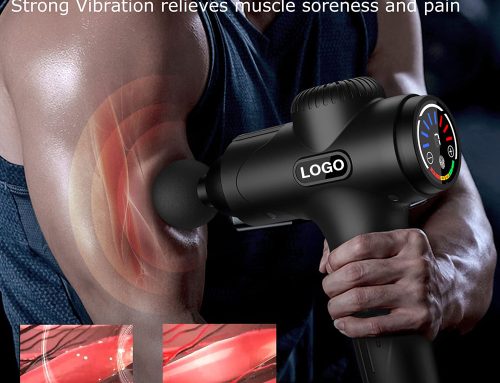
The percussion massage gun utilizes the principle of resonance to generate heat in muscle tissues, promote blood circulation, and increase blood flow to the target area. Simply point the massage gun at the sore spot, turn it on, and it will rapidly tap into deep muscles, repeatedly striking soft tissues, thereby increasing blood flow to the area.
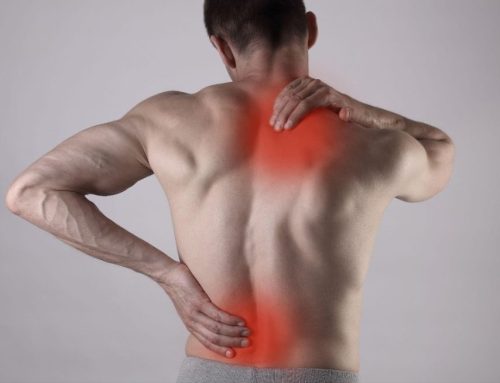
Its force is gentle, which can reduce the tension in muscle tissues, soften scar-like adhesions, and help elongate muscle fibers. It’s particularly effective at providing rapid relief from pressure in weight-bearing areas like the neck, shoulders, and lower back.

For fitness enthusiasts, a massage gun can be helpful for quick warm-up before exercise and muscle relaxation and pain relief after workouts. Of course, similar effects can be achieved through stretching exercises or by consulting a massage therapist.
Portable massage guns are even more convenient, allowing you to comfortably use them at home. For healthy individuals, when used correctly, massage guns are generally safe and effective. However, if you have certain medical conditions or underlying health issues, such as recent sports injuries or recoveries, it’s advisable to consult a sports medicine or rehabilitation doctor before use.
One question that often concerns athletes is whether a massage gun can enhance athletic performance. Unfortunately, current research provides a negative answer—there is no evidence to suggest that using a massage gun can improve speed, strength, or endurance during exercise. However, it may improve joint mobility and reduce fatigue, providing some assistance for athletes.
Limited research suggests that massage guns may have a short-term benefit for athletes requiring strength or precision, such as weightlifters or marksmen, as it can relax muscles and prepare them more effectively for these brief, intense movements.
How to use a massage gun correctly?
Certainly, here’s a translation of the provided tips on how to use a massage gun correctly:
1. **Select the Desired Intensity**:
Most massage guns come with multiple intensity settings, and each setting delivers a different level of pressure to your muscles. It’s recommended for beginners to start with the lowest intensity and observe how their body responds. If needed, gradually increase the intensity later.
2. **Aim at the Target Area; Avoid Adding or Reducing Pressure**:
Identify the area you want to target with the massage gun and align the gun head with that muscle. Move the massage gun slowly along the muscle. Pay attention not to exert extra pressure with your hand or try to lighten the pressure, as it may not provide relief and could potentially harm the tissues.
3. **Control the Duration; Avoid Using on Bony Areas**:
If you feel a particular area is especially tense or sore, you can spend a few extra seconds there. However, even if it feels comfortable, avoid using the massage gun on a single muscle group for more than a few minutes. Additionally, only use the massage gun on muscle areas, not on bones. Massaging over bones, such as the spine in the neck and back, can create discomfort and should be avoided to prevent injury.
4. **Use the Massage Gun for Warm-Up and Relaxation**:
If you’re engaging in full-body exercise, it’s better to start with a full-body warm-up routine (like jumping jacks). However, if you’re targeting specific muscle groups for exercise, using the massage gun in advance to target those muscles can be more effective. For instance, if you’re doing leg lifts, using the massage gun beforehand can help increase leg flexibility.
Remember that proper technique is crucial to maximize the benefits of a massage gun while minimizing the risk of injury.
**Pre-Exercise Warm-up**: Target a group of muscles (such as calves or thighs) with the massage gun to prepare muscle tissues for exercise. This can help reduce the risk of injury during your workout.
**Post-Exercise Relaxation**: During exercise, muscles undergo anaerobic respiration, leading to lactic acid buildup and muscle soreness. Using the massage gun on areas prone to soreness after each workout can reduce the muscle fibers’ ability to store lactic acid, thereby reducing or delaying muscle soreness.

How to choose the right massage gun?
There are various sizes and shapes of massage guns on the market. Whether targeting a single muscle or a group of muscles, focus on these four points when selecting:
Speed: Massage guns with multiple speed settings offer a broader range of applications.
Weight: Since you’ll need to hold the massage gun with one hand for up to 10 minutes during muscle workouts, choose one that’s not too heavy, ideally in the 1-2 kg range.
Noise: Some models are very quiet, while others may be noisier. If you’re concerned about noise affecting your relaxation experience, consider a massage gun with a brushless motor (a motor without brushes and commutators).
Battery: Some massage guns can last for several hours on a single charge, while others may need recharging after approximately 90 minutes. If you need longer battery life, choose a massage gun with a rechargeable, replaceable battery for added convenience.
Finally, if using a massage gun doesn’t relieve muscle soreness, it’s advisable to consult with a professional physiotherapist or visit a rehabilitation department at a hospital.

Leave A Comment