
Why Muscle Recovery Matters for Athletes
As an athlete, you know how much effort goes into every training session or competition. But what about the recovery process? It’s often the missing link between pushing your limits and maintaining peak performance. Recovery isn’t just about resting; it’s about helping your muscles heal, reducing soreness, and preparing them for the next round of physical activity.
In recent years, muscle massage guns have become a popular tool for athletes looking to speed up recovery. These devices promise to reduce muscle tension, increase circulation, and alleviate soreness after intense workouts or competitions. If you’ve heard of massage guns but haven’t tried one yet, you’re probably curious: do they really work, and how can they fit into your recovery routine? In this guide, we’ll break down the science behind muscle massage guns, explore how they compare to traditional recovery methods, and provide you with the insights you need to decide whether a massage gun is right for you.
How Muscle Massage Guns Help Muscle Recovery

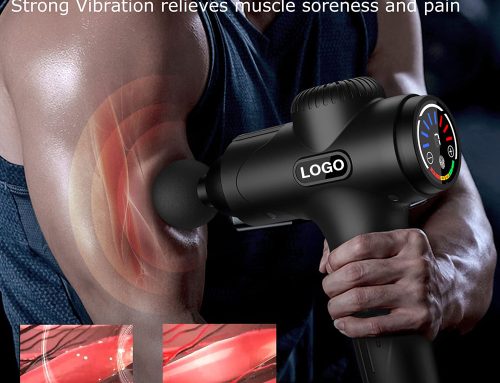
Muscle massage guns are handheld devices that use percussive therapy to target deep muscle tissue. This percussive action delivers rapid pulses of pressure to the muscles, mimicking the effects of a deep tissue massage. These pulses penetrate deeper than surface-level massage techniques, stimulating the muscles, fascia, and even the underlying connective tissue. The goal is to help muscles recover faster, decrease soreness, and promote healing from the micro-tears caused by intense exercise.
Here are some of the primary ways muscle massage guns benefit athletes:
- Increased Blood Flow: The rapid pulses from a massage gun stimulate blood circulation in the muscles, helping to flush out metabolic waste products like lactic acid and bring in fresh oxygen and nutrients to the area. This improved blood flow aids in faster muscle recovery.
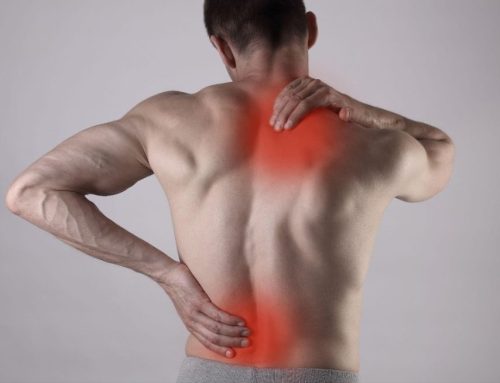
- Reduced Muscle Tension: After a hard workout, muscles can become tight and stiff. Massage guns help to relieve muscle tension by increasing blood circulation and stimulating the release of muscle knots or trigger points, which are common sources of pain.
- Faster Recovery from Microtears: Intense exercise causes small tears in muscle fibers, and recovery depends on repairing these tears. The percussive action of a massage gun can accelerate the healing process by improving circulation to the muscles and reducing inflammation.
Muscle Massage Guns vs. Traditional Recovery Methods
While muscle massage guns are relatively new to the recovery scene, they offer several advantages when compared to traditional recovery methods. Many athletes already rely on techniques like stretching, foam rolling, and ice baths to recover after a tough workout. So, how does a massage gun stack up against these classic recovery tools? Let’s take a look:
Stretching vs. Massage Guns

Stretching is a time-honored method for increasing flexibility and relieving muscle tightness. Many athletes perform static or dynamic stretches to prepare their muscles for activity or cool down afterward. Stretching is great for lengthening muscles and preventing stiffness, but it can only target superficial muscle layers. It’s also time-consuming, and for some, holding stretches for long periods can be uncomfortable.
On the other hand, a massage gun delivers rapid, targeted pressure deep into the muscle tissue. This allows athletes to target specific areas with precision, releasing muscle knots and alleviating tension in a fraction of the time it would take to stretch. While stretching remains an essential part of recovery, the massage gun provides a more immediate, deep-tissue solution that complements stretching for faster results.
Foam Rolling vs. Massage Guns

Foam rolling is another popular self-myofascial release technique. By applying pressure to tight spots with a foam roller, athletes can release tension and improve blood flow in the muscles. Foam rolling is highly effective, but it requires the athlete to apply their own body weight and maintain balance, which can be difficult for some people. It also doesn’t provide the same level of depth as a massage gun.
Massage guns, in contrast, offer a more controlled, hands-free experience. You can target the exact spot where you need relief without having to rely on body weight or awkward positioning. Massage guns also allow you to adjust the speed and pressure based on your preferences, making them a versatile tool for muscle recovery.
Ice Baths vs. Massage Guns

Ice baths have long been a recovery staple for athletes looking to reduce inflammation and muscle soreness. Cold exposure constricts blood vessels, which can help reduce swelling and prevent muscle damage. After an ice bath, when the body warms up again, blood flow returns, bringing with it fresh nutrients to promote healing.
While ice baths are effective for reducing inflammation, they can be uncomfortable, time-consuming, and difficult to access for athletes without a dedicated recovery space. Massage guns, on the other hand, provide targeted muscle relief without the discomfort of cold exposure. They don’t replace ice baths entirely, but they offer a more convenient, pain-free method for alleviating muscle tension and promoting recovery, especially when used after a workout to get the blood flowing.
How to Choose the Right Massage Gun for Athletes

Choosing the right massage gun for your needs is essential to maximizing its benefits. With so many options available on the market, it can be overwhelming to find the one that’s best for you. Here are some key factors to consider when selecting a muscle massage gun:
1. Power and Speed Settings
The power of a massage gun determines how deep the device can penetrate the muscles. Ideally, you want a massage gun that offers multiple speed settings, so you can adjust the intensity based on your needs. For athletes, having a gun with a high maximum speed is essential for deep muscle treatment, while lower speeds are better for more sensitive areas or pre-workout activation.
2. Noise Level
Massage guns can vary greatly in noise level, with some models being quieter than others. If you’re going to be using the massage gun in a shared environment, or during early morning or late-night recovery sessions, noise may be a significant consideration. Some brands offer quieter models that deliver powerful performance without the noise disruption.
3. Portability
For athletes on the go, portability is a big plus. You’ll want a device that’s lightweight, easy to carry, and has a long battery life. This is especially important if you plan to use your massage gun before or after travel, training, or competitions.
4. Attachments and Versatility
Many massage guns come with different attachments, such as ball heads, bullet heads, and flat heads, which serve specific purposes. The more versatile your device, the better it can serve your diverse needs—from relieving tension in large muscle groups to targeting small, hard-to-reach areas like your shoulders or lower back.
5. Price
Finally, price is an important factor to consider. While premium models may come with additional features like longer battery life, advanced attachments, or enhanced power, there are plenty of budget-friendly options that still offer excellent performance for daily recovery.
How to Use Muscle Massage Guns Effectively

Once you’ve chosen the right massage gun, it’s time to put it to work! Here’s a step-by-step guide on how to use a massage gun effectively to get the best results from your muscle recovery routine:
1. Pre-Workout Activation
Using a massage gun before your workout can help activate your muscles, improve circulation, and reduce the risk of injury. Start by selecting a low speed and gently gliding the massage gun over the muscle groups you’ll be targeting during your workout. Focus on larger muscles like your quads, hamstrings, and calves, but don’t neglect smaller muscle groups like your shoulders and arms.
Spend about 30 seconds to 1 minute on each muscle group, moving the massage gun in slow, sweeping motions. Avoid using the massage gun on your joints or bones, as this can cause discomfort.
2. Post-Workout Recovery
After an intense workout, muscle fibers undergo micro-tearing, which can lead to soreness and stiffness. This is when a massage gun is most effective. Use a higher speed setting and focus on the muscle groups that feel the most sore. For optimal results, hold the massage gun in place over each muscle group for 10 to 30 seconds, allowing the pulses to penetrate deeply.
Make sure to move the massage gun slowly and consistently over the muscle, but avoid staying in one spot for too long to prevent irritation.
3. Frequency and Duration
How often should you use your massage gun? For general recovery, using the massage gun once or twice a day is sufficient. For intense muscle recovery after particularly hard workouts, you may use it more frequently, but always listen to your body. Overuse can lead to bruising or increased muscle soreness.
For each session, aim for about 5-15 minutes of use on each major muscle group, depending on your needs. If you’re using it to relieve tension in a smaller area (such as the neck or shoulders), a shorter time of 3-5 minutes may be enough.
Final thoughts
Centurylux specializes in providing professional massage guns for athletes, fitness enthusiasts, rehabilitation physiotherapists, our massage guns cover most of the massage gun series, including the big gun series, small gun series and cold and hot massage gun series. If you want to know more about massage gun wholesale cooperation, please email us. sales@centurylux.com


Leave A Comment